
If you have ever checked your bank account at the end of the month and wondered where all your money went, you are not alone. A few years ago, I found myself doing the same thing. It was not one big expense but a hundred little ones. Each seemed harmless until they stacked up. Saving money felt out of reach, but what I learned is that small habits really add up, both ways. Today, I want to share the ten habits that, once broken, helped me stop wasting money and start seeing real progress with my finances.
Habit 1: Impulse shopping
I used to grab things off the shelf because they looked nice, or simply because they were on sale. I rarely planned my purchases, especially in the grocery store or online. Impulse shopping is one of the main reasons people spend more than they intend to. Over time, I realized the best way to fight this was to create a list before stepping into a store and to wait at least 24 hours before buying anything non-essential. More often than not, the urge faded away.
Habit 2: Ignoring subscriptions and memberships
During a period when convenience ruled my life, I signed up for a handful of streaming services, gym memberships, and magazine subscriptions. Some, I completely forgot about. If you want to stop wasting money, I can tell you: keep an updated list of all your recurring payments. Cancel what you don’t actively use or truly enjoy. I saved more than I expected just by doing this.
Habit 3: Paying for convenience
Convenience is tempting. I’m guilty of ordering takeout several times a week, paying extra for delivery, and sometimes even buying pre-cut fruit. These habits seemed harmless but really added up. Preparing meals at home and organizing my errands for one trip not only saved me money, but also time in the long run. Strong coffee at home beats café prices, too.

Habit 4: Not tracking spending
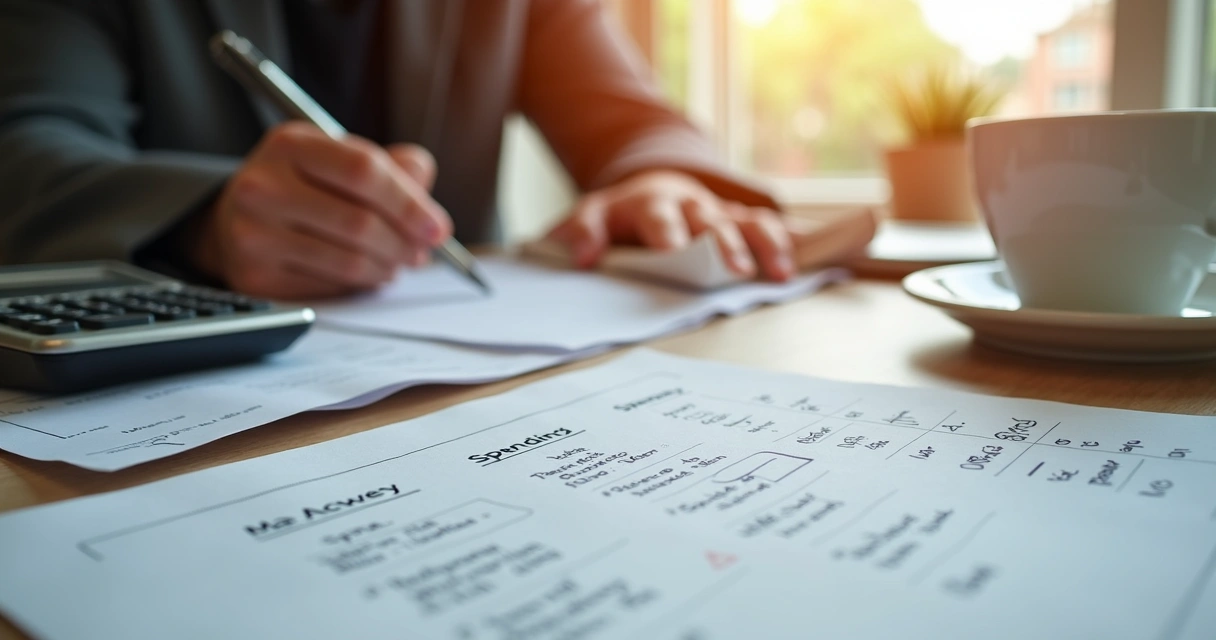
If I had a dollar for every time I said, “It’s only a small expense,” I probably would’ve had a better bank account balance. The truth is, not knowing where your money goes is like trying to drive blindfolded. Now, I track my expenses—every coffee, every bus ticket. Even if you write them down in a notebook for a week, the insights are surprising. I found patterns I never expected.
Habit 5: Late fees and missed payments
Missing bill deadlines can be costly. I paid more in late fees and interest than I ever realized, sometimes just because I forgot a due date. Setting reminders or automating payments helped me stay on top of my obligations and avoid throwing money down the drain. Treat bill payment reminders like important appointments—because they are.
Habit 6: Shopping without comparison
Sometimes, loyalty to a favorite brand or store made me overlook better prices elsewhere. I used to assume I was getting the best deal and never bothered to check. Once I started comparing prices (even between supermarkets), I saw real savings every month. It only takes a minute, but the payoff is worth it. And yes, sometimes generic is just as good.
Habit 7: Overusing credit cards
Tapping a credit card can feel painless, and I honestly slipped into the habit of paying for things without considering my budget. Before I knew it, small balances grew, dragging interest along for the ride. Tracking the real cost of credit and using cash for day-to-day purchases helps you see what you are actually spending. That shift changed things for me.
Habit 8: Letting groceries go to waste
Food waste feels like money in the trash. I used to buy more than I could eat, usually when shopping hungry. Planning meals for the week, buying only what I could use, and learning a few freezer tricks cut my grocery bill in half. Sometimes, leftovers became tomorrow’s lunch—and that’s money saved twice.
Habit 9: Buying new instead of fixing or borrowing
I remember replacing a toaster just because it stopped working, only to discover later it was an easy fix. Buying new is easier but not always necessary. Fixing things, buying secondhand, or even borrowing from a friend saved me more than I first realized. This required a shift in thinking, but over time, I found satisfaction in making things last.
Habit 10: Ignoring small savings opportunities
Several times, I brushed off discounts because “it’s just a little.” But those small savings, like using coupons or loyalty points, make a difference over the long term. When you combine all the small wins, your bank balance will thank you. Sometimes a dollar saved really is a dollar earned.
How these changes add up
Looking back, I see that breaking these habits wasn’t about giving up joy or comfort. It was about being a bit more aware and intentional. I started slowly. One habit at a time. And honestly, saving became less about restriction and more about freedom—freedom to do more of what matters most to me.
Small changes, big results.
Conclusion
So, if you’re ready to stop wasting money, start with just one habit. The most surprising thing for me was how quickly small adjustments created space for bigger goals. Every step you take, even a wobbly one, is a step forward to better saving and, perhaps, a lighter life.
Frequently asked questions
What are the worst money-wasting habits?
The worst money-wasting habits include impulse shopping, ignoring forgotten subscriptions, paying late fees, and letting food go to waste. Personally, I found that the smallest drains, like daily coffee shop visits or unused memberships, really stack up over time.
How can I start saving more money?
I think the best start is tracking your spending honestly for a week or two. When I did this, I spotted patterns right away. Then, I picked one habit to change—such as making coffee at home—and built out from there. Small, steady shifts are less overwhelming and more lasting.
Is it worth it to make a budget?
Making a budget is absolutely worth it if you want to be aware of where your money goes and have a plan. It’s not about cutting out all fun. I use mine to set aside money for what matters and avoid drifting through the month not knowing where things stand. It’s helpful, even if the first version is very simple.
What habits help save money fast?
For me, the fastest savings came from meal planning (instead of takeout), avoiding impulse buys with lists, and canceling unused subscriptions. These are changes you can see instantly in your bank account. Sometimes, just setting a spending cap for one area, like entertainment, makes a big difference right away.
How to stop impulse buying?
Pausing before every non-essential purchase works wonders—wait 24 hours and see if the urge fades. I keep a running wish list and revisit it weekly. More often than not, something that felt urgent yesterday feels less interesting after a bit. It’s a simple shift, but it’s saved me from unnecessary purchases many times.