
I used to think that spontaneous trips were a recipe for stress. The idea of packing a bag at the last minute, searching for last-minute tickets, and hoping for everything to fall into place felt overwhelming. But over the years, I learned that a little bit of structure makes all the difference. The trick is planning just enough to let your trip flow naturally—without chaos. Today, I want to share what I learned so you can plan spontaneous trips without losing your mind.
Why spontaneous trips can be worth it
The thought of dropping everything and setting off can sound reckless, but, in my experience, the rewards are real. Stepping outside the routine brings new energy and unexpected joys. But to truly enjoy these moments, you need clarity and a touch of preparation.
Freedom feels best when it’s paired with peace of mind.
So, how can you have a spontaneous adventure without everything unraveling?
Start with a flexible mindset
To me, the first step is accepting imperfection. Spontaneous travel runs on flexibility. Plans might change. Hotels might be full. Some attractions might be closed. Instead of frustration, I trained myself to see these moments as part of the travel story.
- If the first hotel you call is booked, try the next one.
- If it rains during your beach trip, explore a cozy cafe or the local museum.
- If flights are too expensive, choose a destination you can reach by car or train.
The most successful spontaneous travelers accept change and look for opportunities in surprises.
Set a “spontaneity framework”
Planning a little is the secret to enjoying chaos. Over time, I built what I call a “spontaneity framework.” It’s a basic checklist I skim through so I don’t forget the essentials in the thrill of the moment.
- Decide your non-negotiables. Are you willing to sleep anywhere, or do you need private accommodation? How far are you willing to travel?
- Pick a general direction. If you have a full day, pick one region or city.
- Set a budget boundary. Figure out how much you’re comfortable spending before you leave.
I stick to broad strokes on purpose. That way, I keep both freedom and a little bit of safety net.
Pack smart—and fast
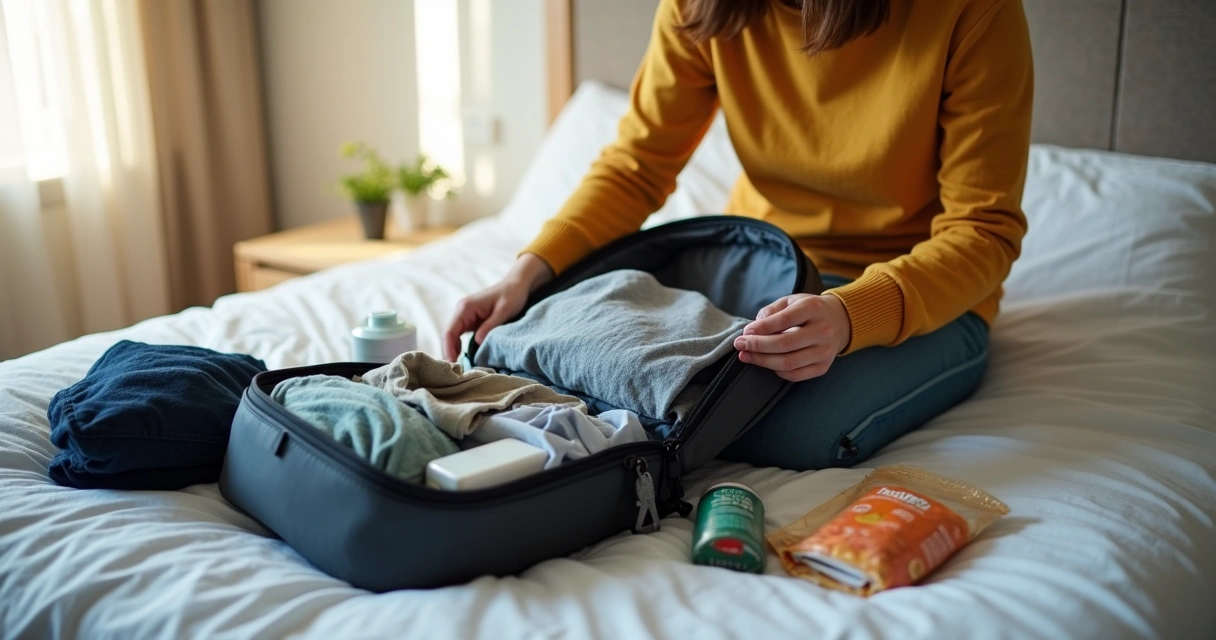
I admit, early on I’d spend so much time packing for “anything that could happen” that I’d waste precious hours. Now, when planning a spontaneous trip, I set a timer—15 minutes is usually enough.
- Clothes for the current weather, plus one extra layer.
- Travel-sized toiletries.
- Phone charger and portable battery.
- Light snacks and a water bottle.
- BASIC medicines (painkiller, allergy pill, bandage).
- ID, credit card, and a little cash.
I skip “just in case” items. If I miss something, finding a solution becomes part of the fun.
Be realistic about transportation
One lesson I learned the hard way: spontaneous travel works better when you know your transportation options. Booking a ticket or renting a car last minute is possible (and sometimes part of the fun), but knowing some options in advance helps avoid stress.
Check schedules first, then decide where to go. If buses only run once daily to a city, you won’t waste time planning a trip there midday. If trains are frequent, you can relax and pick whichever departure you like.
If I am traveling during a holiday or weekend, I allow extra time because availability can change quickly. Otherwise, I give myself alternatives—like thinking, “If I miss this train, I’ll just stroll around downtown instead.”
Find somewhere to stay—without panic
Accommodation can get tricky on a whim. I found that the key is to sort out the essentials, then leave flexibility for the “nice to have” details. That means focusing on location, basic comfort, and safety—not perfection.
- Look for places that don’t require advance bookings or have same-day availability.
- Hostels, guesthouses, or last-minute hotel rooms often work.
- If you’re with friends, consider splitting an apartment or family room.
I always keep the phone number or address handy—just in case my phone dies or the internet fails. A screenshot or a quick notebook scribble is enough.
Keep your plans light
The best spontaneous trips I’ve taken happened when I picked just a few “must-do” experiences and let the rest unfold. There was less pressure, more joy.
- Choose one or two activities, sights, or foods you want to try.
- Ask locals or staff for recommendations—they know what’s happening right now.
- Stay open to the unexpected, like a street festival or hidden hiking trail.
It’s better to do one memorable thing than rush through everything.
Protect your peace of mind with small habits
I know from experience how easy it is to let nerves build up when you’re traveling spontaneously. To stay peaceful, I practice a few simple habits:
- Take a deep breath before making any rushed decision.
- Keep my phone charged and maps saved offline, just in case.
- Trust that things usually work out—people help each other on the road.
Panic rarely solves problems. Pause, breathe, and find the next best step.
Travel insurance and emergency planning
I double-check my travel insurance on every spontaneous trip. I also make sure a friend or family member knows where I’m going—just the city name and how to reach me. That’s all it takes to keep people informed and keep myself calm.
If you have medical needs, double-check prescriptions or doctor’s notes are handy. I’ve never needed these on a spontaneous trip, but I would rather be a little safe than anxious.
Capture the moment—but don’t “chase content”
On spontaneous trips, I snap a few photos, but I’ve learned to savor the moment instead of worrying about the perfect shot. The memories stick longer when I’m present. I keep a small notebook for funny moments, curious foods I tried, or names of new friends.

Writing down a few lines each day helps me relive the adventure afterward.
How to say yes, but stay safe
Spontaneity does not mean acting carelessly. I found that I enjoy myself more when I stay aware and set personal boundaries.
- Listen to your instincts—if a situation feels off, move on without guilt.
- Keep your belongings close and valuables where you can see them.
- Share your rough plans with someone you trust back home.
It’s always worth protecting your safety so you can enjoy the freedom of the trip.
Reflect and savor the story
Each spontaneous trip, even the ones that didn’t go to plan, gave me something to laugh about later. Instead of focusing on what didn’t work, I look for what surprised or delighted me.
Not every adventure is perfect. But every story is worth telling.
At the end, spontaneous travel is about curiosity and making memories—on your terms. If you trust yourself, stay a little prepared, and embrace surprises, you might discover that spontaneity and sanity can travel hand-in-hand.