
We live in a hyperconnected world. Smartphones have become an extension of our hands, notifications never seem to stop, and even our moments of rest are often invaded by screens. Yet, interestingly, a growing number of people are choosing the opposite path: consciously unplugging. Not out of obligation, but out of a deep emotional, mental, and even physical need.
Being offline is no longer about absence — it’s about presence. Presence in the moment, in nature, in conversations, and within ourselves. In this article, you’ll discover destinations and experiences designed for those who want to step away from the digital noise and embrace something more real, meaningful, and unforgettable.
Why Choosing to Be Offline Has Become a New Luxury
For years, being constantly connected was seen as a status symbol. Today, the narrative is shifting. The ability to disconnect — even for a few days — has become a true luxury.
Hyperconnectivity has brought undeniable benefits, but it has also created a collective sense of fatigue. The mind rarely gets a real break. Even during leisure time, there’s an underlying urge to check updates: social media, messages, news, endless short videos.
Choosing an offline destination is not about escaping reality — it’s about fully stepping into it. It allows the brain to slow down, the senses to expand, and time to flow at a more natural pace.
Chapada dos Veadeiros: Silence, Nature, and Pure Energy
Located in central Brazil, Chapada dos Veadeiros is one of the top destinations for those seeking disconnection.
Internet signal is weak or nonexistent in many areas — and that turns out to be a gift. Your focus naturally shifts to what really matters: hiking trails, waterfalls, starry skies, and a level of silence that’s hard to find in urban life.
Spending hours by a waterfall, simply listening to the sound of flowing water, may seem simple — but it can be deeply transformative. Without digital distractions, you begin to notice details that would otherwise go unnoticed.
The region also carries a somewhat mystical atmosphere, with yoga, meditation, and alternative healing practices that further support the process of reconnection.
Atacama Desert: Vastness and Introspection
If you’re ready to go even further, the Deserto do Atacama offers a truly unique experience.
Considered one of the driest places on Earth, Atacama captivates visitors with its surreal landscapes. The lack of urban stimuli creates the perfect environment for introspection.
Without the constant interruption of notifications, you begin to tune into your inner rhythm. Time seems to slow down, and every experience becomes more intense — whether it’s watching the sunset in Valle de la Luna or gazing at one of the clearest night skies in the world.
It’s a destination that invites silence — not just external, but internal as well.

Serra da Mantiqueira: Hidden Retreats and Cozy Escapes
For those who prefer to stay closer to home, Serra da Mantiqueira is an excellent option.
Stretching across São Paulo, Minas Gerais, and Rio de Janeiro, this mountain region is home to charming lodges and secluded cabins — many of them intentionally offering limited or no internet access.
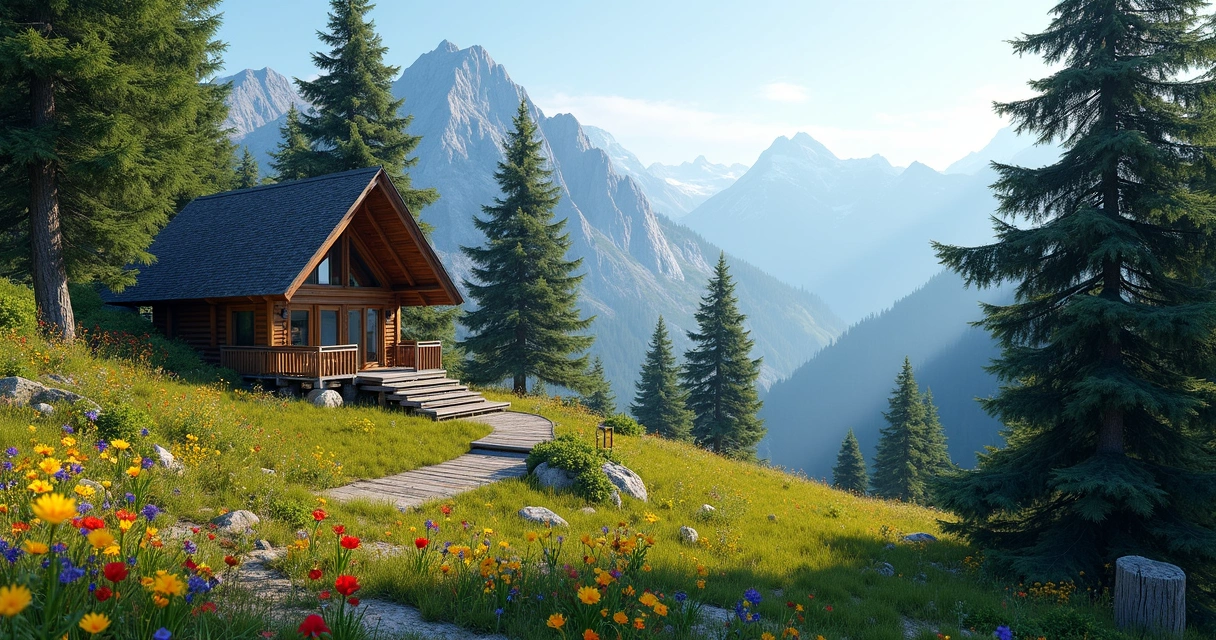
Fireplaces, scenic trails, homemade breakfasts, and a cool mountain climate create the perfect setting to slow down. It’s the kind of trip where you trade endless scrolling for a good book, meaningful conversations, or simply the joy of doing nothing.
Destinations like Campos do Jordão and Monte Verde are well-known, but there are also lesser-known villages that offer even deeper levels of isolation.
Offline Experiences That Transform the Mind
More than the destination itself, it’s the experiences you embrace that truly make the difference.
Being offline opens space for activities we often neglect:
- Long, unhurried walks
- Nature observation
- Journaling
- Meditation
- Deep conversations
- Watching the sunrise or sunset
Without the urge to document everything, you begin to live each moment more fully. Memory is no longer outsourced to your phone — it’s built internally, with depth and meaning.
Digital Detox Retreats: When Disconnecting Is the Main Goal
A growing trend is the rise of “digital detox retreats.” Unlike typical vacations, the main focus here is intentional disconnection.
These retreats often include:
- Voluntarily handing over your phone
- Structured outdoor activities
- Mindfulness and meditation sessions
- Healthy, nourishing meals
- Periods of silence
The goal isn’t just to rest, but to reshape your relationship with technology. By the end of the experience, many people report improved mental clarity, reduced anxiety, and better sleep quality.
The Art of Doing Nothing (And Why It’s So Hard)
It may sound strange, but one of the biggest challenges of going offline is dealing with stillness.
Without constant distractions, thoughts, emotions, and reflections surface — things we often avoid in daily life. While uncomfortable at first, this process is incredibly healthy.
Learning to do nothing — to simply exist, observe, and breathe — is a skill we’re gradually losing. Yet, it’s within this space that creativity, insight, and emotional balance often emerge.
Remote Islands: Healing Through Isolation
For a more radical experience, remote islands are an excellent choice.
Places like Ilha Grande offer untouched areas where internet signal is minimal or nonexistent.
Life there moves at a different pace. Days begin with sunrise and end with the sound of the ocean. There’s no rush, no overload of information, no artificial stimulation.
The connection with nature — sea, forest, sand — acts as a powerful mental reset. It’s as if both body and mind remember a more natural state of being.
The Real Impact of Stepping Away from Screens
Research increasingly shows that reducing screen time can lead to meaningful benefits:
- Improved sleep quality
- Reduced anxiety
- Increased focus
- Greater creativity
- Deeper relationships
Beyond the data, there’s also a subtle but powerful feeling: lightness. As if an invisible weight has been lifted.
Without constant comparison on social media, without the pressure to respond instantly, and without the overload of information, the mind finally finds space to breathe.
How to Prepare for an Offline Trip
If you’ve never taken a trip like this before, a few tips can help:
Inform the people who matter
Let friends and family know you’ll be offline to avoid unnecessary worry.
Download essentials in advance
Maps, bookings, and important information should be accessible offline.
Bring analog alternatives
Books, notebooks, card games, or any screen-free activities.
Set an intention
Ask yourself: why do I want to disconnect? Rest, clarity, self-discovery? This helps guide your experience.
Rediscovering the World (And Yourself)
Traveling without constant connectivity changes how you perceive everything around you.
Colors feel more vivid. Sounds become richer. Conversations grow deeper. Even time itself seems to shift — slower, more generous.
And somewhere along the way, something remarkable happens: you begin to reconnect with yourself.
Without external distractions, important questions arise. What truly matters? What have I been avoiding? What genuinely brings me peace?
These answers rarely appear in the middle of an endless scroll.
Offline Is Not Absence — It’s a Choice
Disconnecting doesn’t mean rejecting technology. It means using it consciously.
The goal isn’t to abandon the digital world, but to balance it with real, tangible, present moments.
Choosing to go offline — even briefly — is an act of self-care. A reminder that life doesn’t happen on a screen — it happens here, now.
An Invitation to Slow Down
If you constantly feel tired, distracted, or overwhelmed, the problem might not be a lack of rest — but an excess of stimulation.
Taking a break from screens might be exactly what you need.
Whether it’s in Chapada dos Veadeiros, the Deserto do Atacama, the Serra da Mantiqueira, or even a small retreat close to home, what matters most is the intention.
Turn off your phone. Take a deep breath. Look around.
And finally, be present.