
There are few things I enjoy more than seeing my family, with members from three generations, gathered around the table with a box of game pieces in the center. I always notice how board games unlock laughter, conversations, and sometimes a little friendly competition. Yet it’s not always simple to find the right one that satisfies everyone, from young kids to grandparents. Over the years, I have tried and tested a wide variety of games, and I have learned that choosing an engaging family board game takes more than just picking the trendiest box at the store. Instead, it’s all about understanding your group and finding something that sparks real connection.
One good game can light up an entire evening.
Why choose board games for family time?
I firmly believe the best board games do more than entertain—they bring everyone together. In my own home, the right game pulls us away from screens, encourages teamwork, and helps build precious memories. When we laugh at a silly move or help a younger child understand the rules, something special happens. I have found these benefits come up again and again:
- Board games encourage quality conversation and connection in ways digital activities cannot.
- They foster critical thinking, collaboration, and friendly rivalry.
- They are accessible across ages, with options for every interest and skill level.
- They can bring a sense of tradition and ritual to family time.
Even after a tough day, pulling out a board game can shift the mood. I remember evenings where laughter won out over stress, thanks to a simple shared activity.
How to pick a board game that suits all ages?
When choosing a board game for everyone, I look closely at a few key points. It’s not about picking the “best” game, but about what fits your family’s combination of ages, interests, and time.
- Consider the ages and attention spans of the players. Games for young children need simple rules and quick turns, while older players may appreciate deeper strategy.
- Look for games with flexible rules or team-based play if big age gaps are involved.
- Choose games that keep everyone involved—no one likes sitting out for long stretches.
- Think about your group’s energy level. Do you prefer quiet cooperative play or lively shouting and competition?
- Pay attention to game length. Some evenings allow for epic adventures, others call for a game that wraps up in 20 minutes.
- Read the room about complexity. Some families love learning elaborate systems, others want to jump in and start playing.
In my experience, a well-chosen board game can even become a family tradition, remembered long after the pieces are put away.
Popular styles of family board games
If you’ve ever walked down the board game aisle, you know the choices are endless. I often break down the main categories, since each style tends to work better for different families and situations:
- Classic games: Many families have old favorites, passed down or remembered from childhood. These tend to be easy to set up and explain, and they have a certain nostalgic charm.
- Strategy games: These involve planning and foresight. While some are complex, many are accessible to children and adults alike, especially with simplified rules or cooperative versions.
- Party or word games: Designed for groups, these games usually rely on humor, language skills, and quick thinking. They are especially popular in larger or multi-generational gatherings.
- Cooperative games: Instead of competing against each other, players work together against the game. I find these particularly inclusive, since no one is left out.
- Dexterity or action games: These are active, sometimes silly, and often a hit with younger players or those who like movement and laughter.

Every family is different, so I like to experiment with several types before settling into new favorites.
Questions to ask before choosing a board game
When someone asks me how to make the right choice, I offer these questions:
- Will young children or grandparents need easy-to-understand rules?
- Are some players new to board games, and do they prefer learning together?
- How many players will you usually have? Some games work for large groups; others shine at 2-4 players.
- What themes does your family enjoy—nature, adventure, mysteries, or something totally different?
- Is anyone sensitive to competition and would prefer a teamwork-focused game?
- How much time do you have for each play session?
I have found that answering these questions saves time and disappointment. It is easier to avoid frustration and maximize fun for everyone.
Key tips for family board game success
Once you pick your board game, setting the right tone makes all the difference. Here’s what I’ve learned from many family game nights:
- Keep the mood light and celebrate creativity or good moves, not just winning.
- Don’t force anyone to play a game they truly dislike. Enthusiasm is contagious, but so is reluctance.
- If teaching the game, explain rules step by step and even play an open “practice” round.
- Use teamwork and age-mixing to balance difficulty. Let kids partner with adults if needed.
- Take breaks and change games if interest flags.
- Praise effort and good sportsmanship more than victory.
It’s the laughter, not the scoreboard, that people remember.
Some evergreen family board games to consider
Without naming any particular brands, I can still suggest a few styles that have worked well in my experience:
- Simple racing or counting games: Great for young children and their adults, and perfect for preschoolers or early grade schoolers.
- Tile-matching or pattern-building games: These mix fun with basic strategy and work across wide age ranges.
- Word and drawing games: These encourage language skills and creativity, often sparking the most laughter.
- Mystery or deduction games: Suitable for older kids and adults, encouraging teamwork and critical thinking.
- Storytelling adventures: These transform each game night into a unique narrative that draws everyone in.
Every time I switch up the game style, I notice new sparks of excitement—especially when a game allows everyone to contribute or shine in some way.
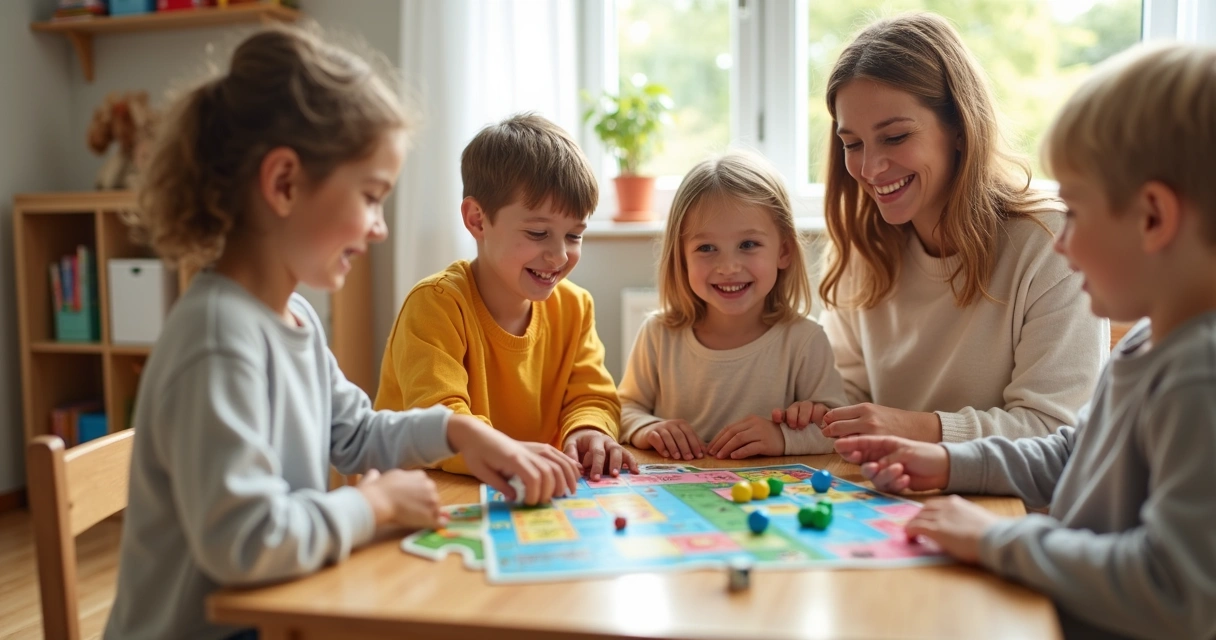
Adapting games for mixed ages
Sometimes the most delightful moments have come from tweaking the rules of a favorite game. In my view, flexibility is the secret ingredient for family board games. This is how I make a group happy when the ages, interests, or abilities differ:
- Modify rules to simplify or speed up the game for little ones, or let adults play with extra challenges.
- Pair younger or less experienced players with mentors or as part of a team.
- Remove complex cards or mechanics if they cause confusion or slow things down.
- Reward creativity and effort with small bonuses such as extra turns or tokens.
I learned not to worry too much about sticking perfectly to the original rulebook. What matters most is that everyone is engaged and having a good time.
Making board game night a family ritual
I find the best way to keep board games part of our routine is to set aside a regular time. Maybe every Friday, or whenever you can all gather. Sometimes we take turns choosing the game or build a “game jar” of slips of paper with each person’s pick.
Sharing snacks, turning off phones, and using a cozy space all make the evening feel special without any big hassle. Game night need not be perfect or highly planned—just consistent enough to look forward to.
The best family traditions are built one joyful evening at a time.
Final thoughts
Over twenty years of board game nights have convinced me that the right game can turn even an ordinary moment into something memorable. I know that choosing carefully makes all the difference in how everyone feels and whether they look forward to the next round.
By considering ages, interests, and group dynamics, anyone can transform game night into the highlight of the week.
So the next time you’re searching for something fun to do together, pull a board game from the shelf and let the good times begin. You might just discover a new family favorite tonight.