
As I look back on moments shared with friends and loved ones, I find myself asking what truly fills life with meaning as we get older. After 60, priorities tend to shift, and what we need from relationships often changes too. Is it companionship, or is it romance, that brings deeper happiness? Or can the answer ever be that simple?
Understanding the value of connection after 60
For many years, I believed that romance was the heart of every meaningful relationship. I saw couples in movies, read about late-in-life marriages, and heard touching stories of rekindled love at retirement age. But as I spoke to people in their 60s, 70s, and even 80s, a different narrative often emerged.
Security, understanding, and laughter become the foundation of happiness.
Here’s something I’ve noticed: After 60, people tend to prize emotional safety. They talk about wanting someone to share routines with, someone to listen and to laugh with, rather than just someone to spark butterflies.
When I think about classic images of romantic love, I see special dinners and flowers. But when I think about the stories shared by my older friends, I see morning walks, quiet companionship over coffee, and knowing glances that say, “I understand.”
The difference between companionship and romance
Some people use the words “companionship” and “romance” as if they mean the same thing, but I’ve learned they do not. In my experience, the difference becomes especially clear after 60.
- Companionship is about presence. It’s the steady comfort of having someone to share everyday life, ups and downs, and meaningful silence.
- Romance is about affection and desire. It’s the thrill, the courtship, and the feeling of being swept off your feet—even if only for a moment.
Both are valuable. But, as time goes on, many find companionship takes center stage.
Companionship means having someone at your side who truly understands who you are and accepts you, history and all.
Why companionship often matters more after 60
There’s no strict rule, I think. Some still crave the excitement of romance, and others want both. But several reasons draw people toward companionship as they grow older.

Here’s what stands out based on what I’ve seen and heard:
- Shared history: After decades of life, people have stories, routines, and inside jokes that only a close friend or partner can appreciate.
- Emotional support: Health issues, family changes, and loss can become more frequent. Companionship provides consistent, caring presence.
- Everyday happiness: It’s not grand gestures but small joys—watching a favorite movie, sharing meals, or enjoying silence together.
- Reduced pressure: The weight of expectations tied to romance tends to drop. People feel freer to be themselves.
- Freedom from loneliness: Many say loneliness is sharper after 60. Having a companion eases that feeling, even if it isn’t romantic.
I remember a friend once said, “It’s just nice not to eat dinner alone.” That stayed with me. Sometimes, having a friendly voice across the table is enough.
Is romance still meaningful after 60?
I wouldn’t say people lose interest in romance altogether. Far from it. The butterflies may settle, but the desire for affection, appreciation, and intimacy can persist.
What changes is the way romance is expressed and its role in daily life. I’ve met people who rediscovered love, remarried in later years, or reignited physical intimacy with their spouse of forty years. Others tell me they enjoy flirting, holding hands, or even just a subtle compliment. Romance doesn’t have to mean grand gestures; small acts of care and acknowledgment become even more meaningful.
Romance after 60 often looks quieter but feels more genuine and reassuring than ever before.
So, romance still matters for many. But it isn’t usually the main ingredient for happiness and stability—it is a delightful extra, a spark that adds color, rather than the entire picture.
Finding companionship or romance after 60
Some wonder if it’s too late to seek new connections. I assure you, it isn’t. In my experience, plenty of people form meaningful friendships and relationships after 60. The challenge is to stay open and willing to meet others.
Here are a few paths people have found helpful:
- Pursuing hobbies: From gardening to book clubs, interest-based activities bring people together, sparking new conversations and connections.
- Volunteering: Giving back can be immensely satisfying and a great way to meet like-minded people.
- Community events: Local gatherings, classes, or neighborhood walks offer natural ways to interact without pressure.
- Reconnecting with old friends: Sometimes the strongest companionship is revived, not new—people often reach out to forgotten friends later in life.
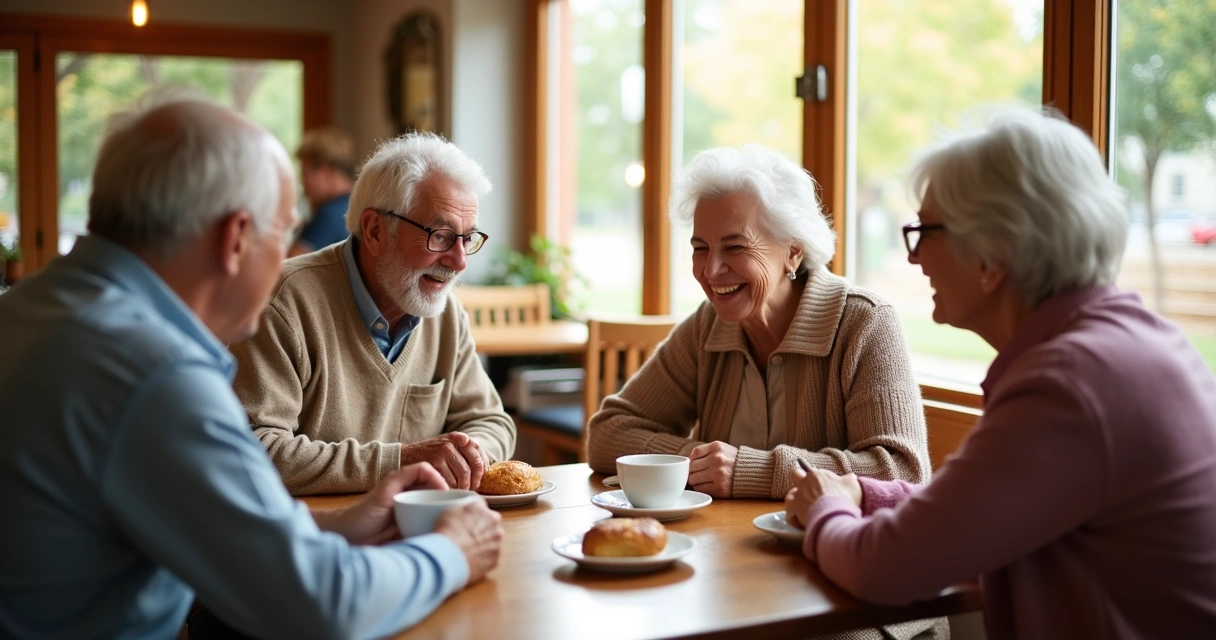
When I see people laughing over cards, walking together in parks, or traveling in small groups, I see companionship at work. And sometimes, romance blooms from these comfortable beginnings.
Building a relationship that fits your life now
I’ve noticed that happiness after 60 often comes from authenticity. Trying to force a relationship to fit a mold—whether purely romantic or companionate—rarely works. The bonds that last are built on kindness, honest conversation, and acceptance.
Here’s what I think matters most:
- Comfort in silence as well as in conversation
- Acceptance of each other’s past and present
- Respect for independence and boundaries
- Shared sense of humor
- Willingness to support and ask for support
Sometimes love looks like an early morning coffee, side by side. Other times, it’s a knowing smile from across the room. That is real connection.
Conclusion: What truly matters most?
From what I’ve seen and felt, the answer isn’t absolute. Companionship becomes the anchor for many over 60 because it eases loneliness, brings joy to daily routines, and builds a sense of belonging. Yet, a spark of romance—a flirtatious glance, a tender gesture—can light up even the calmest harbor.
After 60, it’s the steady presence, not just the flutter, that most people treasure.
My advice? Think about what brings you peace and pleasure. Seek out those who accept and understand you. Whether you long for a companion, a romantic partner, or both, your happiness comes first. Life’s connections are richer and deeper than any one label can hold.
Frequently asked questions
What is companionship after 60?
Companionship after 60 is the comfort and joy found in having someone to share daily life, offer support, and enjoy meaningful moments. It often includes friendship, empathy, shared laughs, and the steady presence of someone who understands you.
How is romance different from companionship?
Romance involves elements of desire, affection, and excitement, often experienced as courtship, flirtation, or intimacy. Companionship, on the other hand, centers on closeness, trust, and shared experiences, even without romantic love.
Is romance important after 60?
For many, romance remains significant after 60, though it may take a different form—gentle, honest, and reassuring rather than dramatic or urgent. Some people value romance highly, while for others, companionship becomes more meaningful. Both feelings can peacefully exist together.
How to find companionship at 60?
To find companionship at 60, I recommend joining hobby groups, volunteering, attending community events, or reconnecting with past friends. Staying open to new experiences and conversations helps build new connections and friendships.
What are the benefits of companionship?
Companionship brings emotional support, reduces feelings of loneliness, encourages laughter, and improves daily happiness. It also promotes better mental and even physical health by fostering a sense of belonging and contentment.