
Few things in family life feel as special as gathering around to watch a movie with young children. But as a parent or caregiver, I know how tricky it can be to decide which films match a child’s age, personality, and stage of development. What seems fun for older kids can be overwhelming, confusing, or even scary for little ones.
Over the years, I have learned a lot about what works (and what backfires) when it comes to children’s entertainment choices. Let me share my approach on how to pick age-appropriate movies for kids, keeping family movie night both joyful and safe.
Why does age-appropriateness matter?
Many parents, myself included, might remember watching a film as a child that left them wide-eyed or uncomfortable. Children don’t just take in the story—they absorb visuals, language, and themes in powerful ways. Movies can introduce ideas, fears, or questions they may not be prepared for.
Movies shape children’s feelings and understanding more than we may realize.
I have seen how a single frightening scene can stick with a child for weeks. Others may pick up words or behaviors we would rather they not repeat. With so many viewing options today, the responsibility falls on us to filter what reaches those eager eyes and ears.
Understanding movie rating systems
In my experience, understanding movie rating systems is a helpful starting point. Most countries have official age ratings for films. These ratings look at elements like violence, language, and sexual content. Still, I always remind myself that ratings are only a guideline—they do not know each individual child.
- G or equivalent (General Audiences): These are generally safe even for the youngest children. But very young kids may still be unsettled by strong emotions or mild peril.
- PG or equivalent (Parental Guidance): I have found that these films might include some tension, jokes or themes that require adult explanation. Young kids may not grasp sarcasm or subtlety.
- PG-13 and up: These are usually aimed at older kids or teens. They often contain more mature humor, language, or plot points.
Movie ratings are helpful, but always watch for the specific content that may suit or unsettle your own child.
What makes a movie suitable for young kids?
I usually look for the following features when choosing a film for children under seven:
- Simple plots that are easy to follow
- Positive role models and clear lessons
- Gentle humor and light-hearted situations
- Colorful and inviting animation or visuals
- Uplifting music and songs
- Very limited peril, tension, or scary scenes
- No violence, bullying, or mean-spirited jokes
Movies for this age should feel safe, warm, and reassuring. If there is a problem in the story, solutions should be clear and have a positive message.
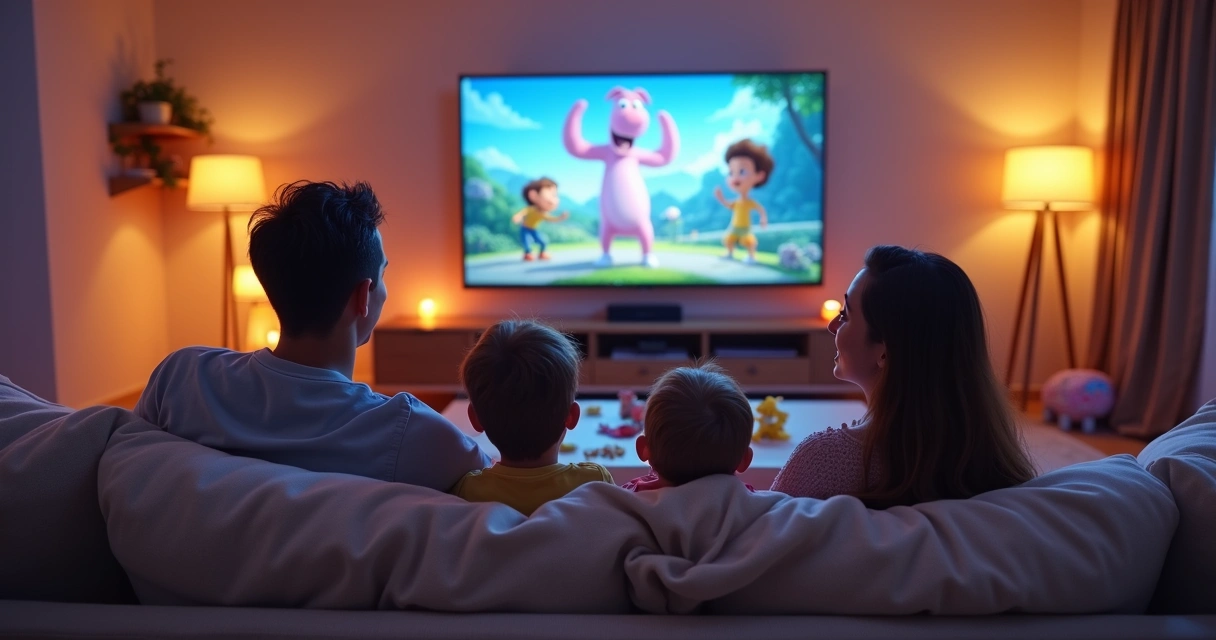
Red flags: What to avoid when screening movies
Even with a good rating, I always preview a movie or check reliable descriptions. Here are the things I watch out for most:
- Frightening visuals: Sometimes even cartoon villains or storms can look terrifying to small children.
- Intense themes: Topics like loss, abandonment, or serious illness may go over their heads but still cause fear or sadness.
- Rude words or sarcasm: Young kids often repeat what they hear without understanding the context.
- Jokes meant for adults: Subtle innuendo or double meanings sometimes sneak into family films.
- Unkind characters: Some stories show bullying or mean behavior as “funny”—which can send mixed signals to young viewers.
When in doubt, I prefer to choose the gentler option.
If you watch along with your child, you can skip or discuss tricky scenes in the moment.
Tips for making the right movie choice
Over time, these simple steps have helped me make confident decisions:
- Know your child’s temperament: Some children laugh at minor spooky scenes, while others feel afraid for days. I always think about what my child can handle and enjoys.
- Check summaries or reviews: Before I say yes to a movie, I look up a quick description. Most films have simple breakdowns about story and tone.
- Watch previews: Even a short trailer can tell me if the pace, visuals, or jokes suit my child.
- Watch together when possible: Especially for new movies, I like to sit beside my child. Their reactions tell me more than any rating ever could.
- Stay flexible: Sometimes, even with preparation, a movie turns out to be the wrong fit. I always feel comfortable stopping and suggesting something else.
There is no “perfect” movie for every family, so I trust my own instincts above all.
What if older siblings are watching too?
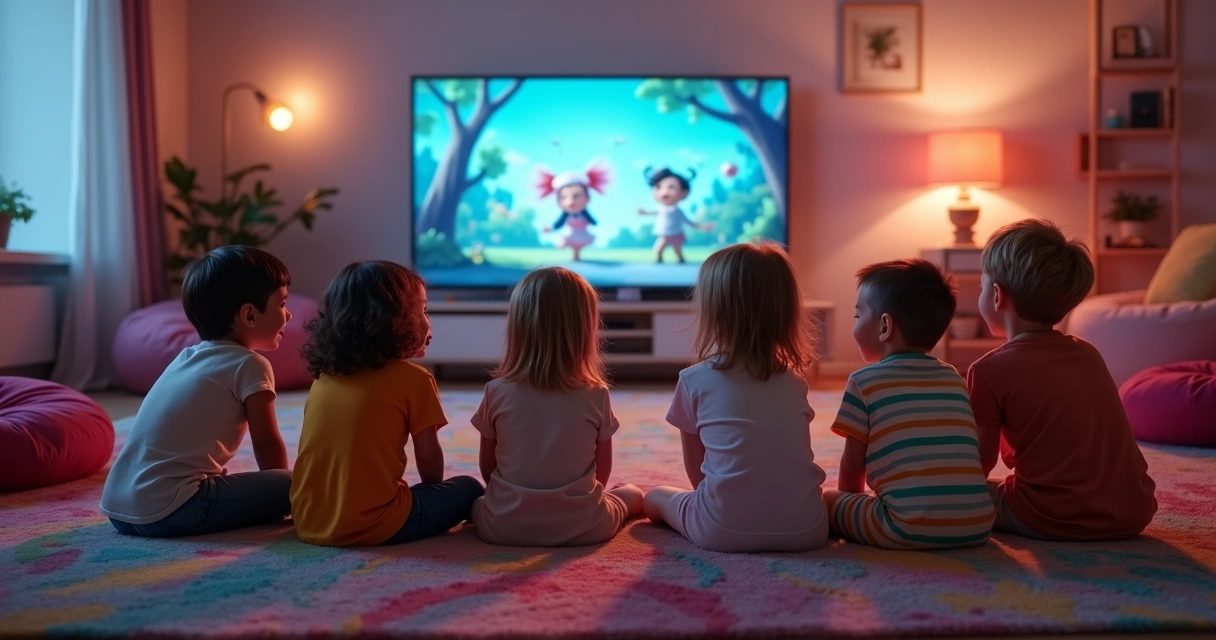
My experience with several ages in one room has taught me to look for overlapping interests and lowest common denominators. This usually means picking films rated safe for the youngest child. If older kids want something a bit more exciting, I try to schedule separate viewing times or supervise more closely.
Pausing for questions helps, too. My older child often enjoys explaining parts of the story to the little ones—it turns into a fun, shared experience, rather than a battle over what is “too babyish” or “too scary.” Setting family rules about movies saves a lot of headaches down the line.
How to handle tricky questions or scenes?
I have faced many moments where my child asks, “Why is that character crying?” or “What does that word mean?” Instead of brushing them off, I answer simply and honestly, using words they understand. If something seems scary, I talk about how the story is made up or remind them of who is safe in the film.
Sometimes, children may want to re-watch a scene that worries them. Other times, they may not want to talk at all. I give them space but always let them know I am open for questions later. Keeping movie time relaxed and open to discussion makes everyone feel more comfortable.
It’s always okay to pause a movie and talk.
Making movie night enjoyable and safe
Family movies are about more than the story—they are about togetherness, laughter, and sharing time. Here’s how I keep movie nights positive for young children:
- I ask my kids what they feel like watching first, giving simple choices.
- We keep snacks light and mess-free, with water handy.
- If a movie starts to lose their interest, we switch gears to a favorite song or activity.
- I set a time limit, so watching never feels too long or overstimulating.
- After the movie, we talk about our favorite parts or characters. This turns the experience into a conversation.
Children remember the cozy, happy feeling of watching together even more than any specific movie.
Trusting your instincts and experience
Every family has its own rhythms and values. What soothes one child may unsettle another, and what makes one laugh may leave another confused. In my own parenting, I have learned to balance official guidelines, community advice, and my own gut feeling.
If you ever feel unsure, choose the simpler, kinder option and watch with your child. You can always build up toward more complex stories and visuals later, as they grow and change.
By tuning in, talking openly, and leaning on your own understanding of your children, you can turn movie time into one of the safest and happiest rituals in your home.